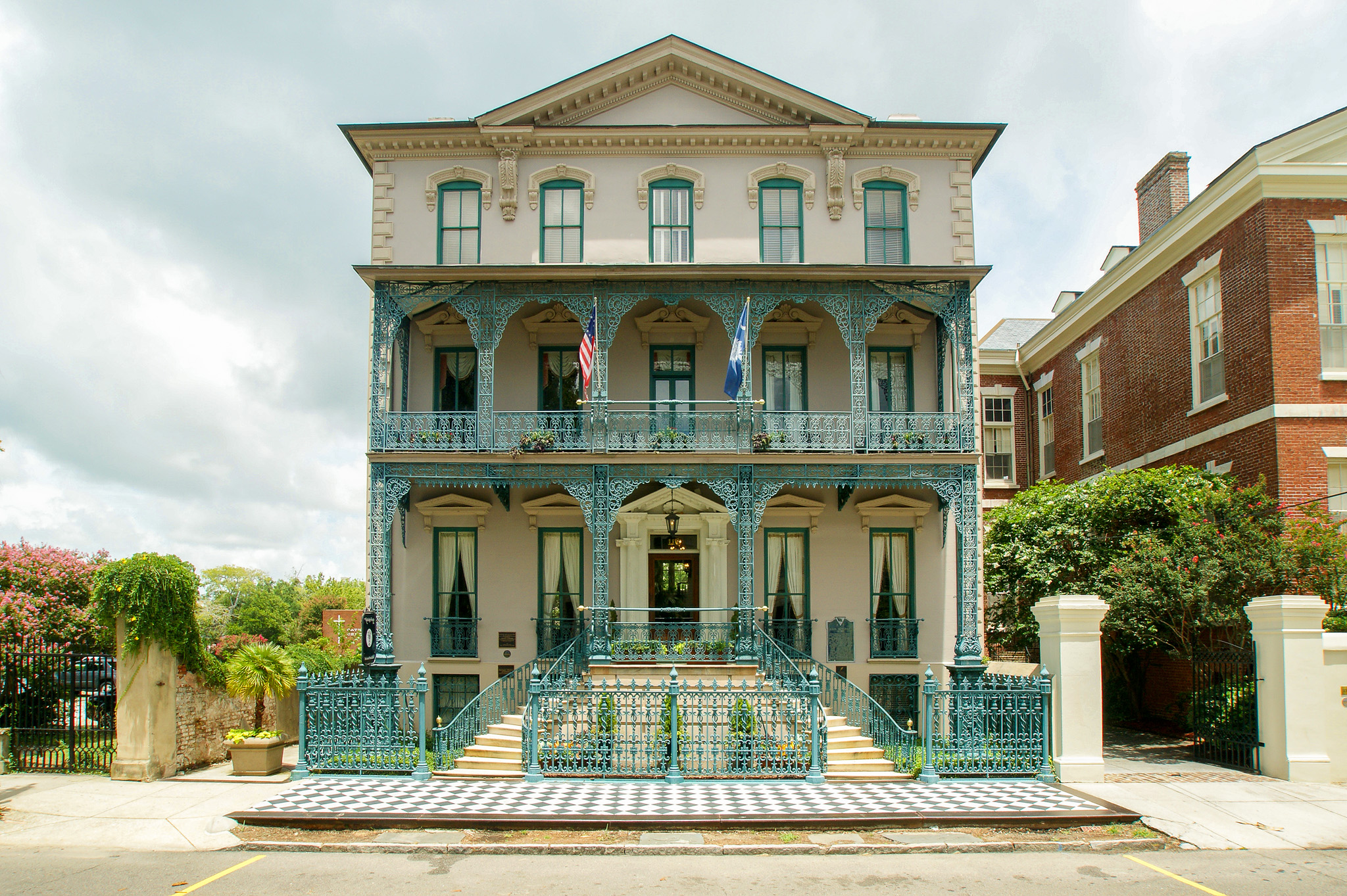
Black History Month in Charleston, SC
Charleston is one of the most meaningful places in the country to explore African American history. The stories of Black Charlestonians are inseparable from the history of the city itself, woven through its neighborhoods, architecture, foodways, traditions, and cultural institutions.
At John Rutledge House Inn®, history surrounds you from the moment you step onto Broad Street. But understanding Charleston means looking beyond the stories preserved inside its historic homes to the generations of people whose lives, labor, creativity, and resilience shaped the city we know today.
Black History Month offers a particularly meaningful opportunity to seek out those stories, although the museums, historic sites, tours, businesses, and cultural experiences below deserve to be explored throughout the year.
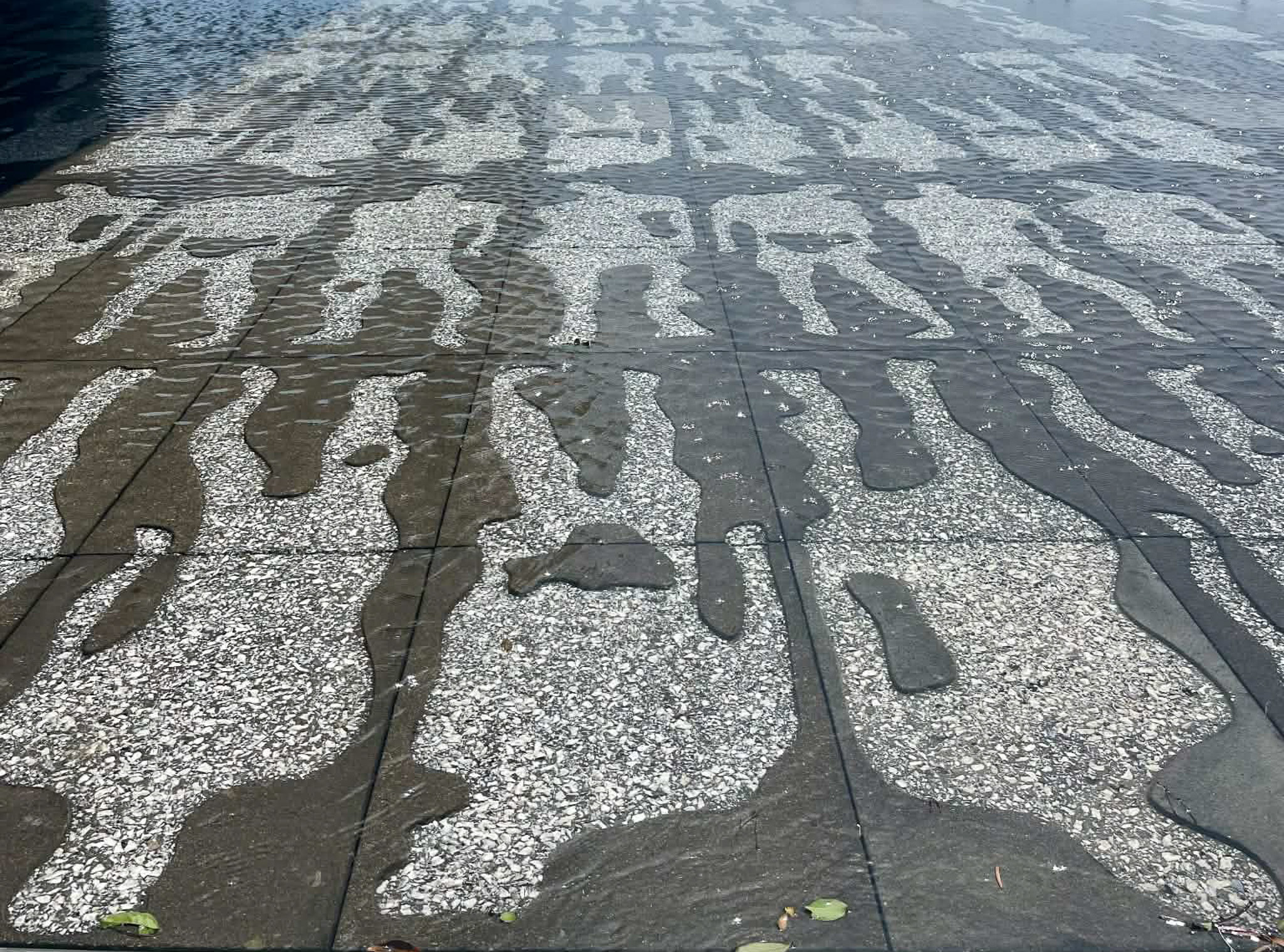
Visit the International African American Museum (IAAM)
The International African American Museum stands on the historic site of Gadsden’s Wharf, the port of arrival for nearly half of all enslaved Africans brought to North America. Through exhibitions exploring the African American and African Diaspora journey, the Center for Family History, and the African Ancestors Memorial Garden, the museum offers an essential place to learn, reflect, and better understand Charleston’s role in this history.
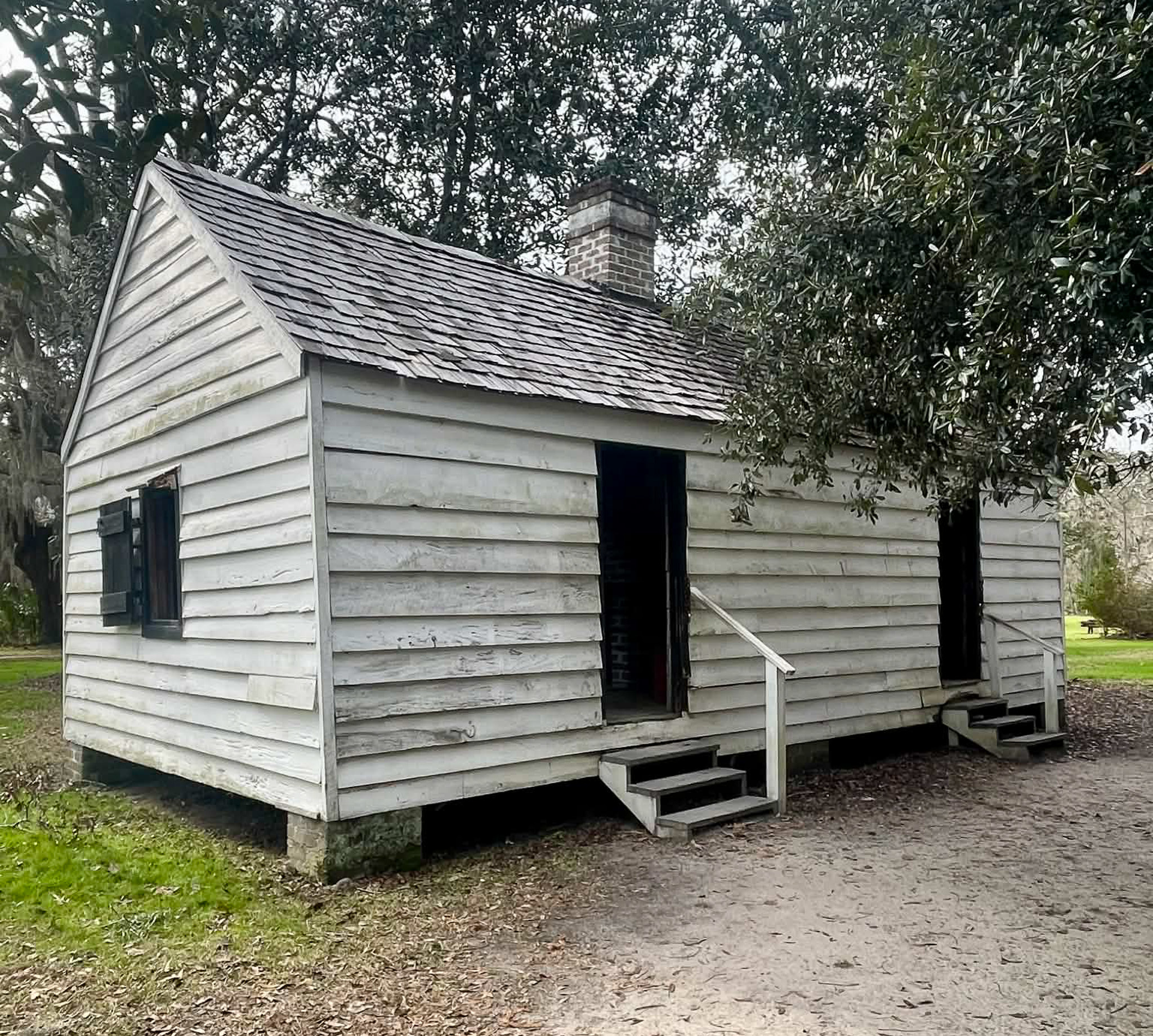
Take a Tour
Taking a Black history tour offers deeper context, personal perspective, and a meaningful way to connect with the Lowcountry beyond what you’ll find in guidebooks. These experiences explore Black history from different perspectives, from Charleston’s urban history to Gullah culture and the lives of enslaved people on Lowcountry plantations.
- Gullah Tours: Explore the places, history, and stories that are relevant to the rich and varied contributions made by Black Charlestonians.
- Frankly Charleston: Franklin Williams offers “the other Charleston through immersive, interactive, truth-centered Black history tours”. Frankly Charleston has been featured in Condé Nast, Forbes, Fodor’s Travel, and The Miami Herald.
- From Slavery to Freedom Tour: This guided experience at Magnolia Plantation and Gardens explores the institution of slavery, the domestic slave trade, and the systems that sustained plantation life, providing essential background for understanding the lives of those who lived and labored there. Guests are then invited to examine daily life on a rice plantation and explore the historic cabins on their own.
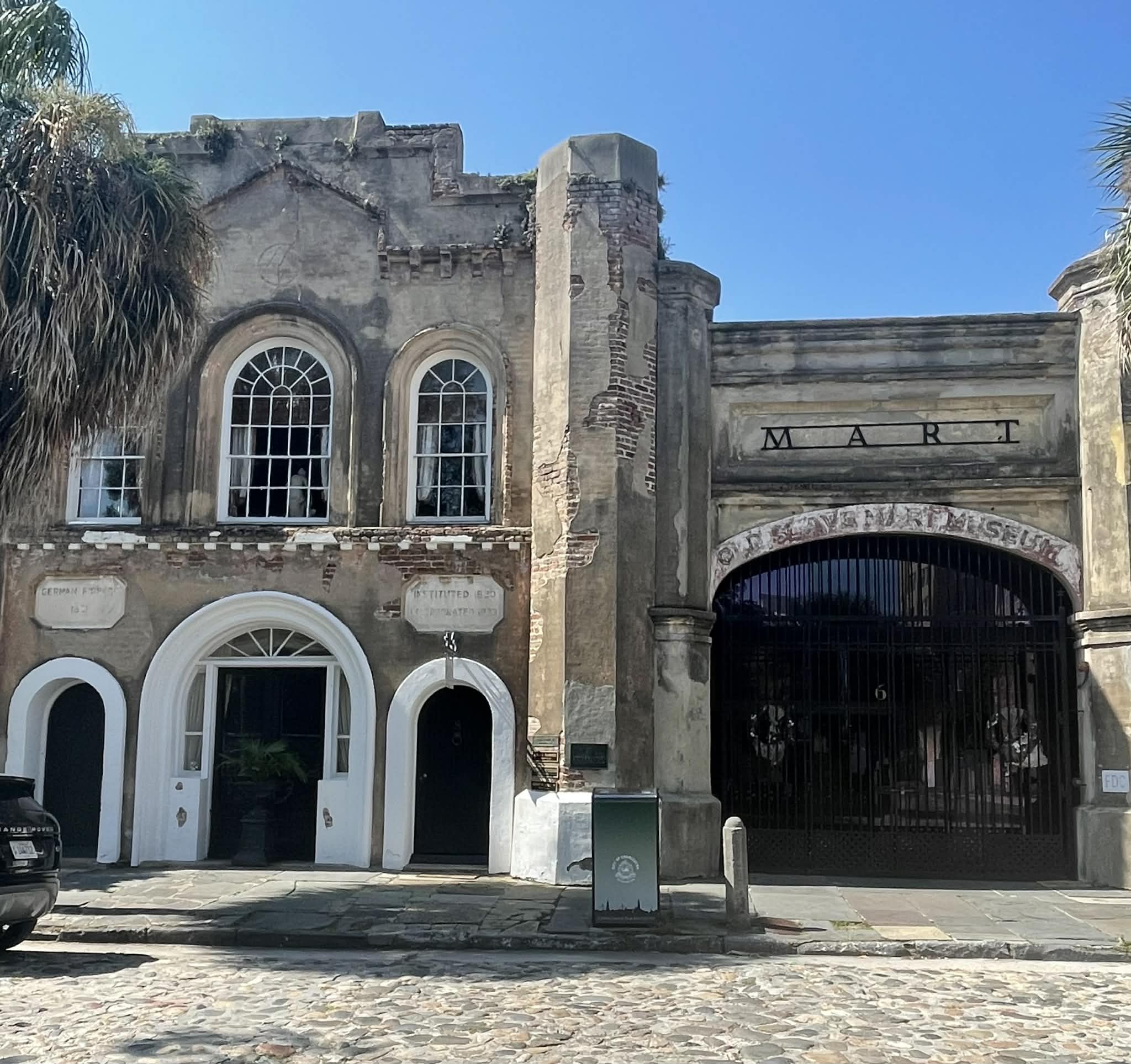
Visit the Old Slave Mart Museum
The Old Slave Mart Museum is the only known building in South Carolina still standing that was once used as a slave auction gallery. Today, the museum uses artifacts, photographs, and interpretive exhibits to examine Charleston’s role in the domestic slave trade.
Shop Local, Black-Owned Businesses
One of the most meaningful ways to celebrate Black History Month in Charleston is by supporting Black-owned businesses. Whether their roots trace back to Gullah traditions or span corners of the world, these entrepreneurs bring generations of creativity, culture, and craftsmanship to the city. Here are a few favorites to explore:
- Casual Crabbing with Tia: An immersive coastal experience where a seasoned Charleston local guides guests through cast-netting, crabbing, and fishing for the freshest possible seafood.
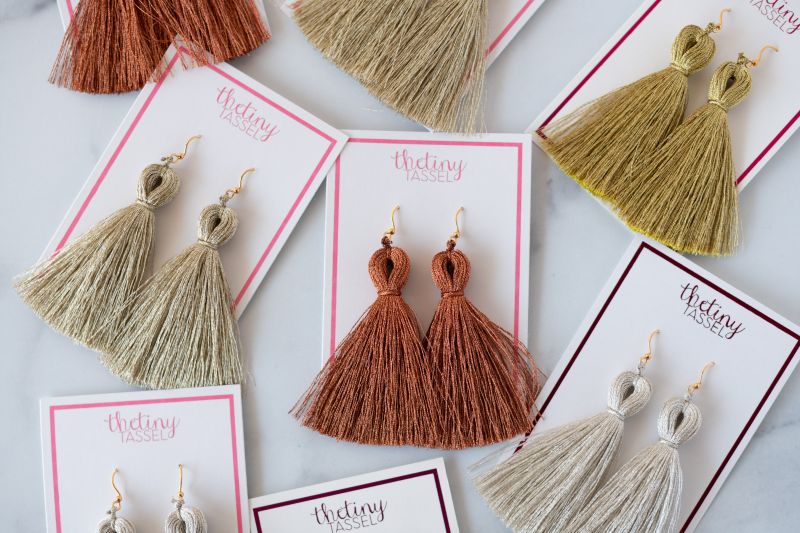
- The Tiny Tassel: A women-owned Charleston brand specializing in handcrafted, color-inspired jewelry and accessories made to celebrate joy every day.
- Graft Wine Shop: A neighborhood wine shop and bar in uptown Charleston where carefully selected wines, community, and culture come together.
- Middleton Made Knives: A South Carolina–based bladesmith crafting bespoke, hand-forged culinary knives trusted by many of the South’s most celebrated chefs.
- Lillie’s of Charleston: A heritage-driven Charleston brand bringing generations of Southern barbecue tradition and love to the table through handcrafted sauces.
Explore Eliza’s House at Middleton Place
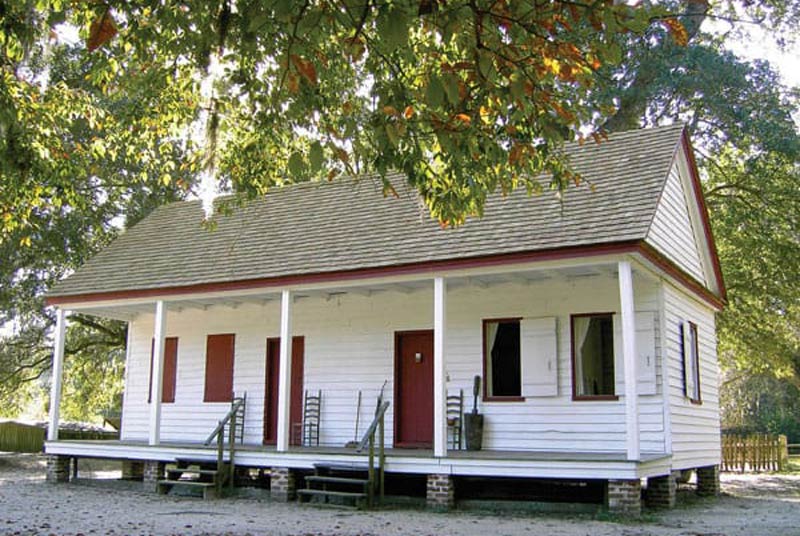
Eliza’s House at Middleton Place is a Reconstruction-era African American freedman’s dwelling and an important place for learning about the lives of enslaved people and freedmen at Middleton Place. The site’s Beyond the Fields interpretation draws on extensive research into generations of African Americans who lived and worked there. Middleton Place records now identify by name more than 3,000 people enslaved by the Middleton family across 19 plantations, giving visitors a more personal understanding of the individuals whose lives are part of this history.
Visit Fort Moultrie
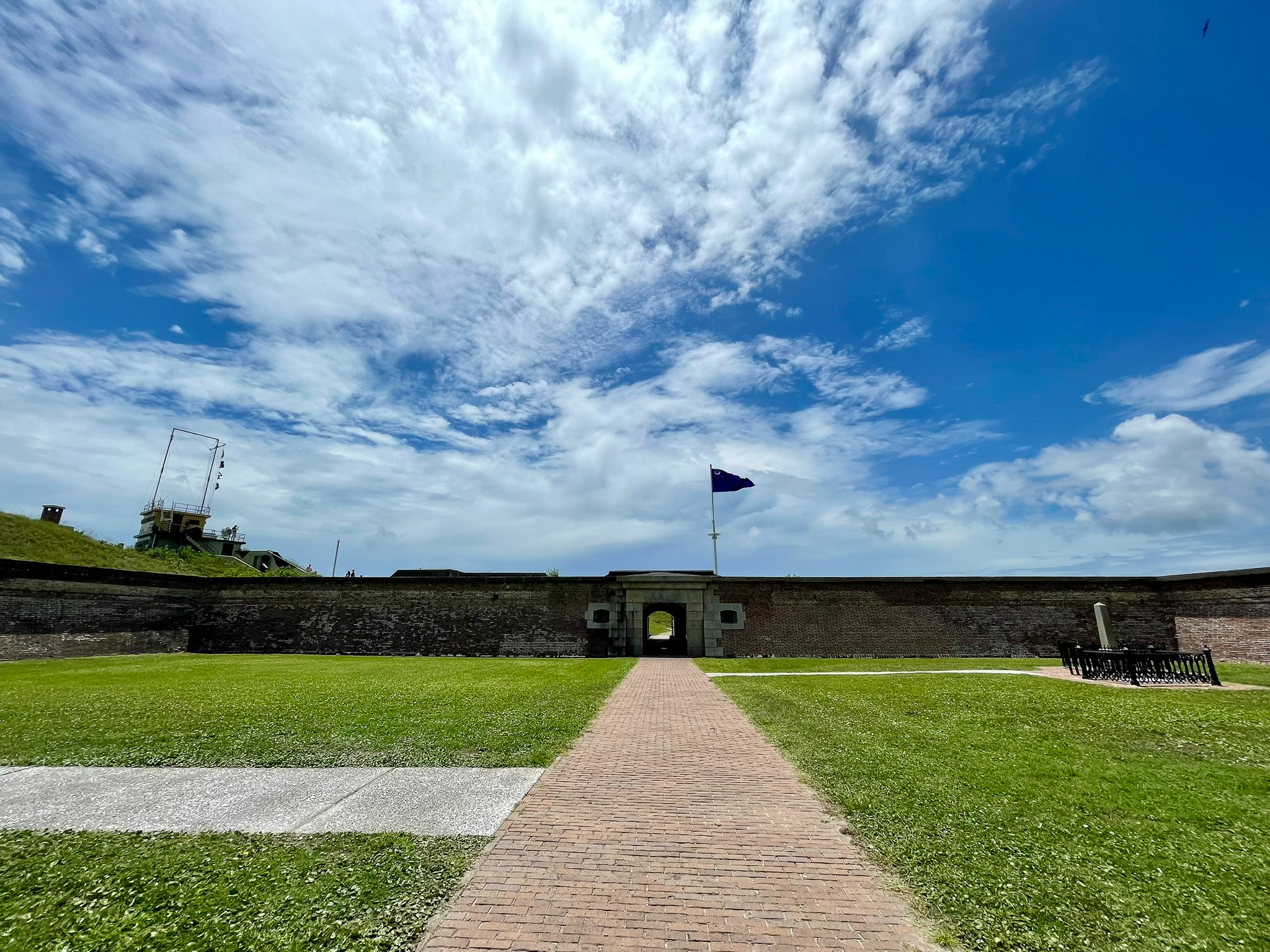
On Sullivan’s Island, Fort Moultrie offers more than a glimpse into military history. The island also served as a quarantine site for enslaved Africans arriving through Charleston Harbor during the transatlantic slave trade. The National Park Service estimates that slave ships brought between 200,000 and 360,000 African men, women, and children into Charleston Harbor. Today, the Bench by the Road, part of a memorial initiative inspired by Toni Morrison, offers a place to pause and reflect on those whose journeys brought them through this landscape.
Support Black-Owned Culinary Traditions
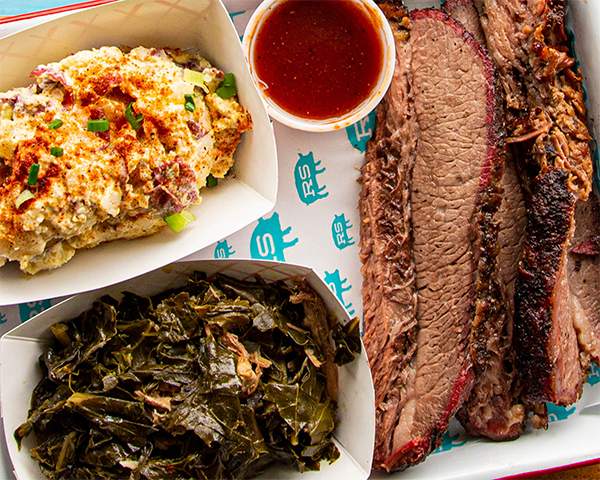
One of the most meaningful ways to celebrate Black History Month in Charleston is through food. Black-owned restaurants across the city continue to honor generations of culinary excellence, sharing flavors and traditions that are deeply rooted in the Lowcountry. Here are a few popular spots:
- Hannibal’s Kitchen: Famous for the best shrimp and grits in Charleston and their signature shrimp & crab rice dish.
- My 3 Sons of Charleston: Offers a modern twist on original Charleston dishes ranging from deviled crab to chicken & waffles, priding themselves on something for everyone to eat!
- Bintu Atelier: Experience the vibrant flavors of Africa. Enjoy Egusi on Wednesdays and Thursdays, and Thieboudienne on Fridays and Saturdays.
Charleston’s history cannot be understood through a single home, museum, neighborhood, or perspective. Each place adds another piece to a much larger story.
Whether you spend an afternoon at the International African American Museum, explore the city’s Black history with a local guide, visit a historic site, or support the people and businesses carrying Charleston’s cultural traditions forward, give yourself time to listen, learn, and experience these stories in the places where they unfolded.
They are not separate from Charleston’s history. They are essential to understanding it.