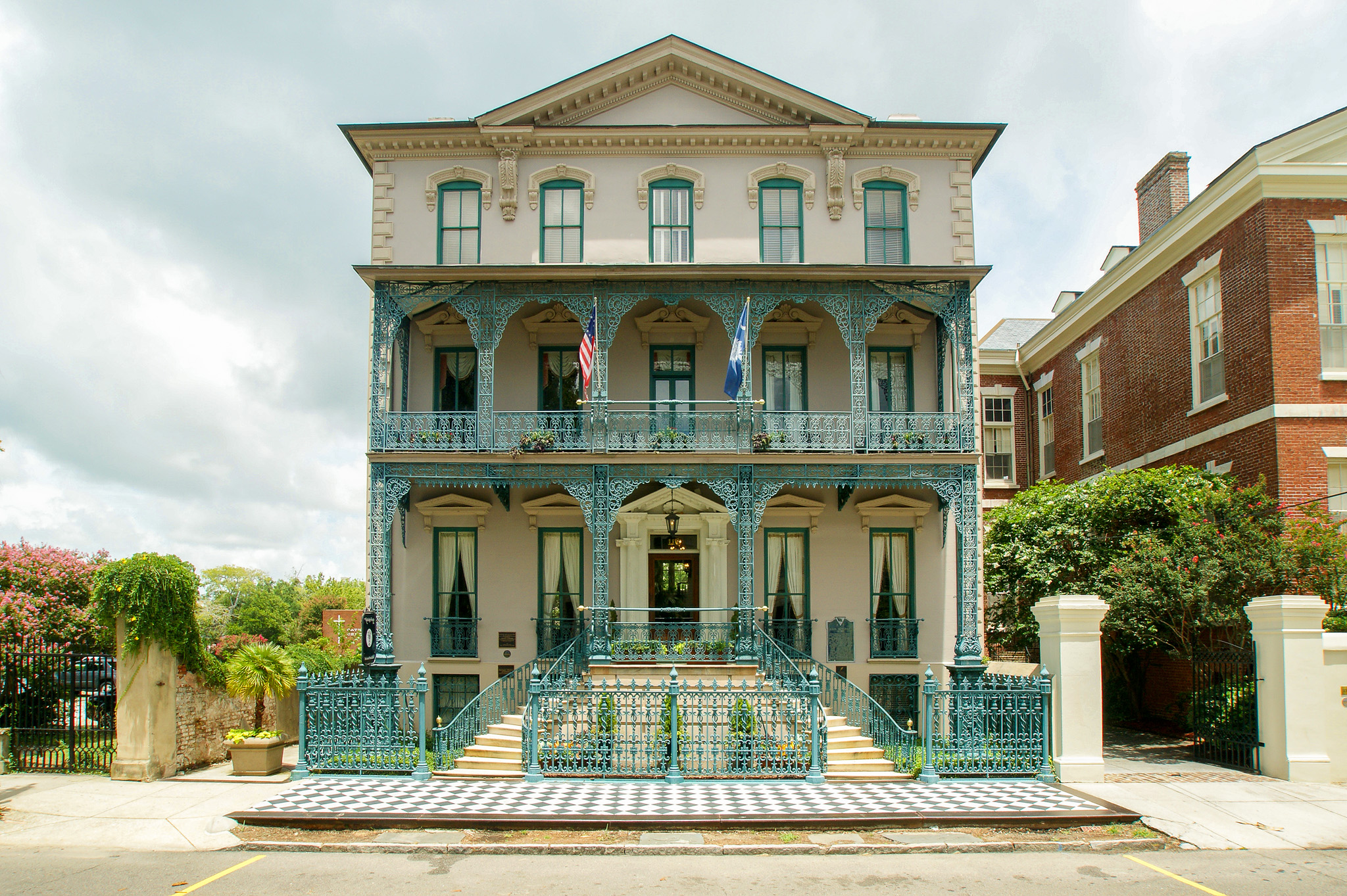
A History Buff's Guide to Charleston
Few American cities place visitors so close to the people, places, and events that shaped the nation. In Charleston, centuries-old churches still anchor the skyline, historic homes continue to tell stories of the families who built the city, and cobblestone streets lead to landmarks that witnessed pivotal moments in American history. At John Rutledge House Inn®, history feels especially personal. Built in 1763 and once home to John Rutledge—a signer of the U.S. Constitution, Revolutionary statesman, and the nation’s second Chief Justice—the inn offers a rare opportunity to stay within Charleston’s living story.
Whether your interests lie in the American Revolution, colonial architecture, military history, preservation, or simply understanding the people who shaped the Holy City, Charleston rewards curiosity. The sites below offer some of the most fascinating ways to explore one of America’s most historically significant destinations.
Revolutionary Charleston
Long before Charleston became one of America's most beloved travel destinations, it played a vital role in the nation's fight for independence. During the Revolutionary War, Charleston was both a strategic port and a battleground, witnessing victories, occupations, and defining moments that helped shape the future of the United States.
Visitors interested in Revolutionary history can explore Fort Moultrie on Sullivan's Island, where a small force of South Carolina patriots successfully defended Charleston Harbor during the Battle of Sullivan's Island in 1776. The victory became one of the earliest and most celebrated Patriot triumphs of the war and is still commemorated annually on Carolina Day.
Nearby, the Old Exchange & Provost Dungeon offers another window into Charleston's Revolutionary past. Built in 1771, the building served a variety of roles throughout its history, including as a military headquarters, public exchange, and prison during the British occupation. Today, guided tours reveal stories of prisoners, patriots, and the city's complicated wartime history.
Throughout Charleston, reminders of the Revolutionary era remain woven into daily life, from historic churches and public buildings to the very streets once walked by figures such as John Rutledge, Charles Pinckney, and other leaders who helped shape a new nation.
Historic Homes & Preserved Estates
Charleston's historic homes offer more than architectural beauty. They tell the stories of the merchants, statesmen, artisans, and families whose lives helped shape both the city and the nation. Walking through these preserved spaces provides a rare opportunity to understand Charleston not simply through dates and events, but through the people who lived here.

Aiken-Rhett House
Unlike many historic house museums, the Aiken-Rhett House has been preserved with remarkably little restoration, offering visitors an unusually authentic glimpse into nineteenth-century Charleston. Original furnishings, outbuildings, and service areas remain intact, creating a powerful portrait of life in the antebellum South and the complex social structures that defined the era.

Nathaniel Russell House
One of Charleston’s most celebrated historic homes, the Nathaniel Russell House is renowned for its graceful free-flying staircase and elegant Federal-style design. Beyond its architectural significance, the house offers insight into the life of a successful Charleston merchant and the people who lived and worked on the property.

Edmondson-Alston House
Overlooking Charleston Harbor from The Battery, the Edmondston-Alston House has welcomed distinguished visitors for generations, including President Abraham Lincoln. Today, visitors can tour beautifully preserved interiors while enjoying some of the city’s most spectacular waterfront views.

Middleton Place & Drayton Hall
Located along the Ashley River, Middleton Place and Drayton Hall offer two distinct perspectives on Charleston’s colonial and plantation history.
Middleton Place is home to America’s oldest landscaped gardens, while Drayton Hall stands as one of the finest surviving examples of Georgian-Palladian architecture in the United States. Together, they provide important context for understanding the wealth, culture, and complexity of early Lowcountry society.
Churches That Witnessed History
Charleston's church steeples have shaped the city's skyline for centuries. More than architectural landmarks, these sacred spaces have witnessed wars, natural disasters, celebrations, and defining moments in the city's history.

St. Michael's Church
Completed in 1761, St. Michael’s Church is the oldest surviving religious structure in Charleston and remains one of the city’s most recognizable landmarks. During the Revolutionary War, both British and Patriot forces used the church’s prominent steeple as a lookout point. Today, its historic cemetery and beautifully preserved sanctuary continue to attract visitors from around the world.

French Huguenot Church
Built to serve descendants of French Protestant refugees, the French Huguenot Church remains one of Charleston’s most distinctive landmarks. Its Gothic Revival architecture and unique history reflect the diverse cultural influences that helped shape the city.

Circular Congregational Church
Founded in the seventeenth century, Circular Congregational Church reflects Charleston’s long tradition of religious diversity. Its historic cemetery contains some of the city’s oldest gravestones, offering visitors a tangible connection to Charleston’s earliest generations.

St. Philip's Church
Standing at the heart of Charleston’s Historic District, St. Philip’s Church has long been associated with many of the city’s most influential families and leaders. The churchyard serves as the final resting place for numerous notable Charlestonians, including John C. Calhoun.
Walking Through Charleston's Past
Some of Charleston's most intriguing historic spaces are easy to overlook. Tucked between homes, churches, and commercial buildings, the city's alleys and narrow lanes reveal a quieter side of Charleston—one where centuries of history remain remarkably intact.
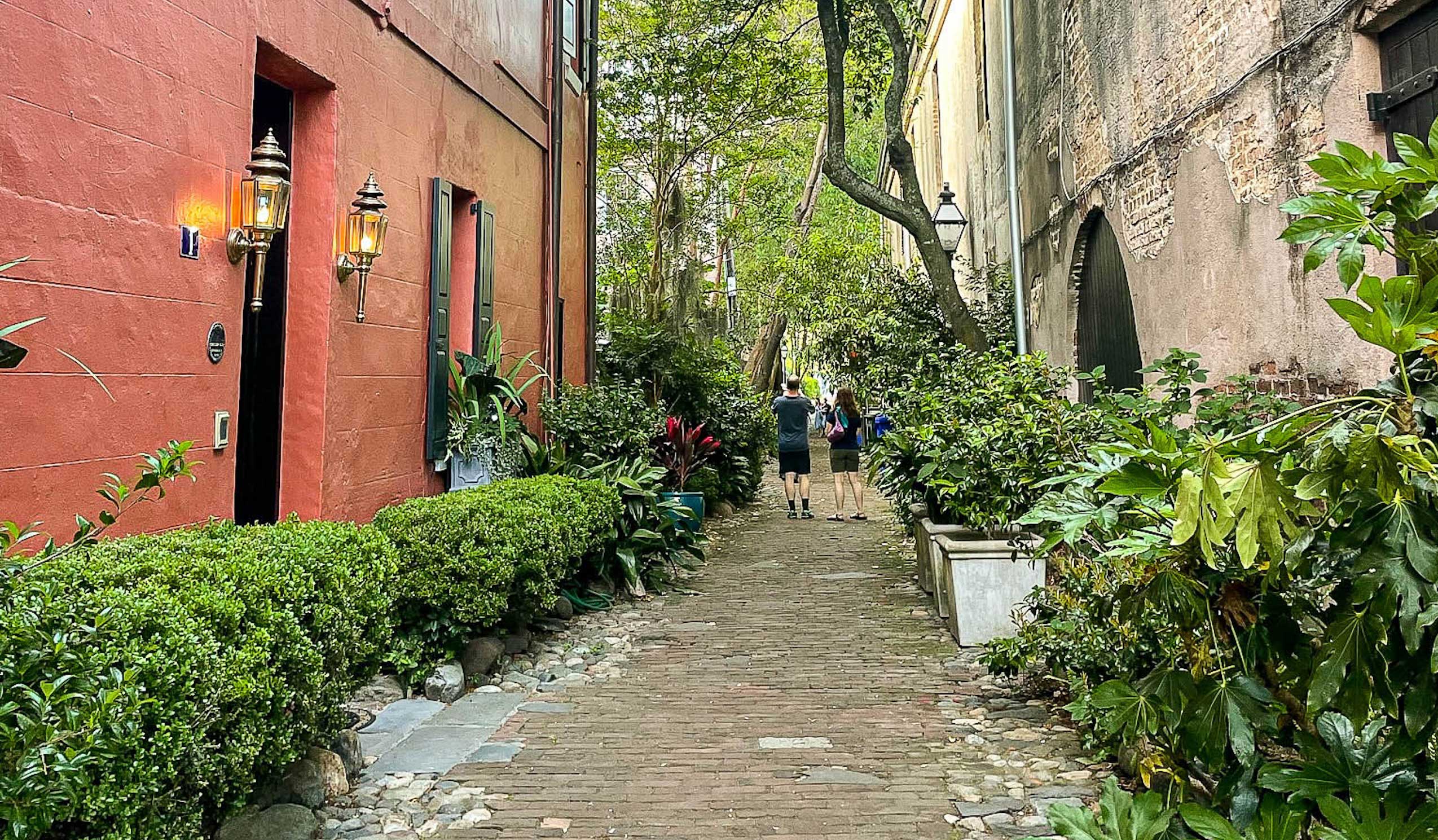
Philadelphia Alley
Perhaps Charleston’s most famous alley, Philadelphia Alley dates to the eighteenth century and has accumulated its share of legends over the years. Today, its brick pathways and historic surroundings make it one of the city’s most atmospheric walks.
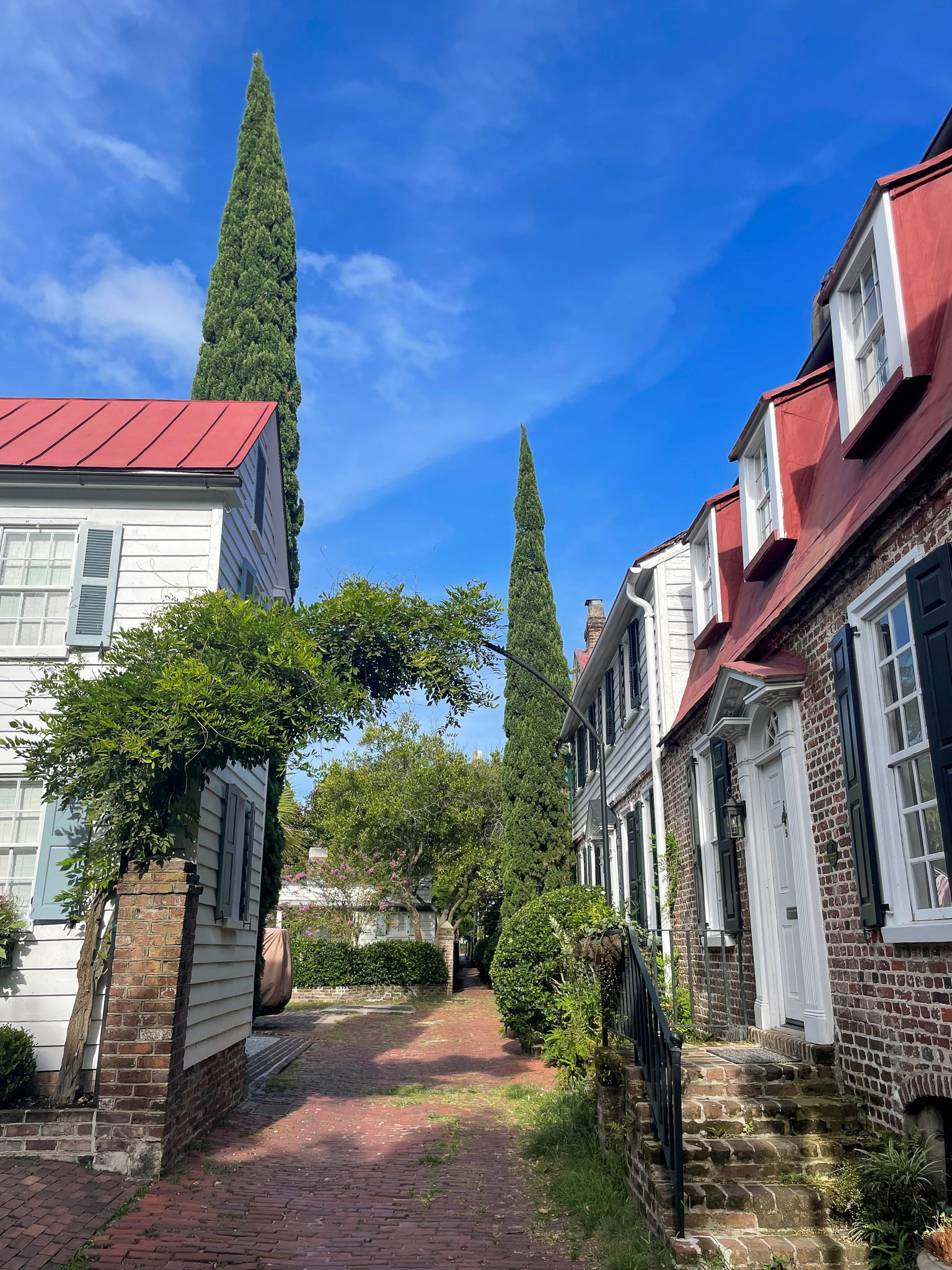
Stoll's Alley
Tucked quietly within the Historic District, Stoll’s Alley offers a charming example of Charleston’s hidden spaces. Narrow, intimate, and lined with historic buildings, it remains one of the city’s most rewarding discoveries for curious visitors.

Longitude Lane
Running between East Bay and Church Street, Longitude Lane offers a glimpse into Charleston’s colonial street plan and maritime past. Its name reflects the city’s longstanding relationship with navigation and commerce.

Chalmers Street
Often considered one of Charleston’s most picturesque streets, Chalmers Street features original cobblestones and some of the city’s oldest surviving buildings. Walking here feels like stepping back in time.
Charleston's Military History
Few American cities have experienced as much military history as Charleston. From the Revolutionary War to the Civil War, the city played a central role in many of the nation's defining conflicts.

Fort Moultrie
Located on Sullivan’s Island, Fort Moultrie tells the story of more than 170 years of American coastal defense. Visitors can explore fortifications spanning multiple eras while learning about the famous 1776 battle that helped secure Charleston Harbor during the Revolutionary War.

Fort Sumter
Rising from the center of Charleston Harbor, Fort Sumter occupies a unique place in American history. It was here that the first shots of the Civil War were fired in April 1861. Accessible by boat, the fort offers visitors an opportunity to explore one of the nation’s most significant historic sites while enjoying stunning harbor views.

Old Exchange & Provost Dungeon
Part museum, part military landmark, and part Revolutionary-era time capsule, the Old Exchange & Provost Dungeon remains one of Charleston’s most fascinating historic attractions. Guided tours explore the building’s role during both colonial and wartime Charleston, bringing centuries of history vividly to life.
Historic Tours That Bring History to Life
Charleston's historic sites become even more meaningful when experienced alongside knowledgeable guides who bring the city's stories to life.

Walking Tours
Companies such as Bulldog Tours offer in-depth explorations of Charleston’s history, architecture, and preservation efforts. Walking tours provide a deeper understanding of the events and personalities that shaped the city while allowing visitors to experience Charleston at street level.
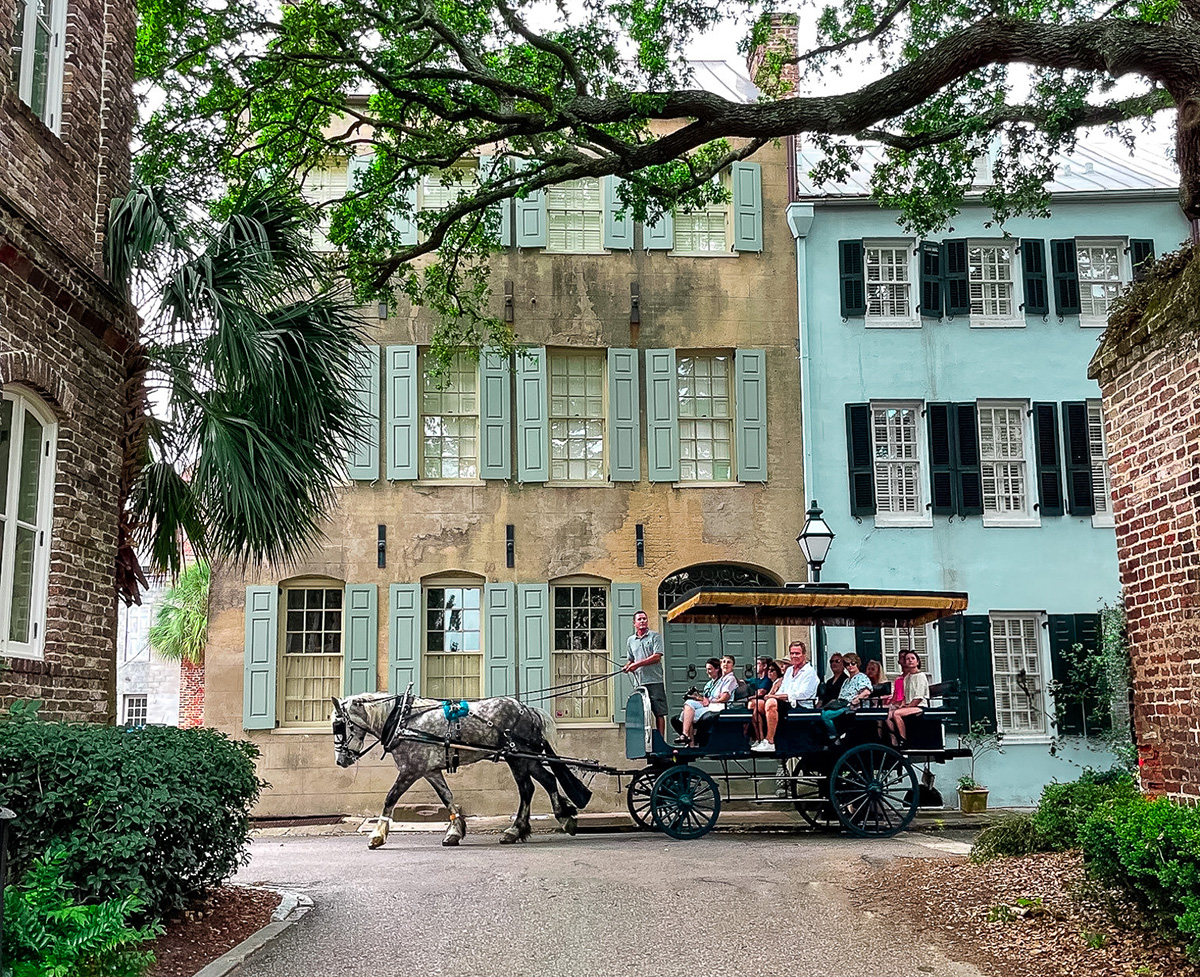
Carriage Tours
A carriage tour remains one of Charleston’s most iconic experiences. Palmetto Carriage Works offers narrated tours through the Historic District, combining architectural highlights, local stories, and historical context into an engaging introduction to the city.

Patriots Point
For those interested in America’s military history beyond the Revolutionary and Civil War eras, Patriots Point offers one of the most immersive experiences in the region. Home to the historic USS Yorktown aircraft carrier, the museum allows visitors to explore naval aviation, military artifacts, and exhibits spanning World War II through modern conflicts.
Walking the decks of the Yorktown provides a fascinating contrast to Charleston’s colonial landmarks, illustrating the city’s continuing connection to American military history across multiple generations. Located across the harbor in Mount Pleasant, Patriots Point remains one of the area’s most popular destinations for history enthusiasts.
Frequently Asked Questions
Charleston is filled with historic landmarks, but some of the most significant include Fort Sumter, the Old Exchange & Provost Dungeon, St. Michael’s Church, and the city’s many preserved historic homes. John Rutledge House Inn® itself is among Charleston’s most important historic residences.
History enthusiasts can visit Fort Moultrie, the Old Exchange & Provost Dungeon, Sullivan’s Island, and numerous churches, homes, and public buildings connected to the Revolutionary era.
Yes. Popular historic house museums include the Nathaniel Russell House, Aiken-Rhett House, Edmondston-Alston House, Drayton Hall, and Middleton Place.
Many visitors combine self-guided exploration with walking tours, carriage tours, and visits to historic sites and museums. Charleston’s compact Historic District makes it especially rewarding to explore on foot.
Absolutely. Few American cities offer such a remarkable concentration of preserved architecture, Revolutionary War sites, historic churches, museums, and nationally significant landmarks within a walkable historic setting.